UKUEM Grand Conference: Empowering the Ummah through Education and Economic Reform
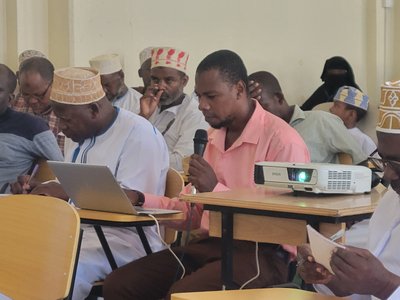
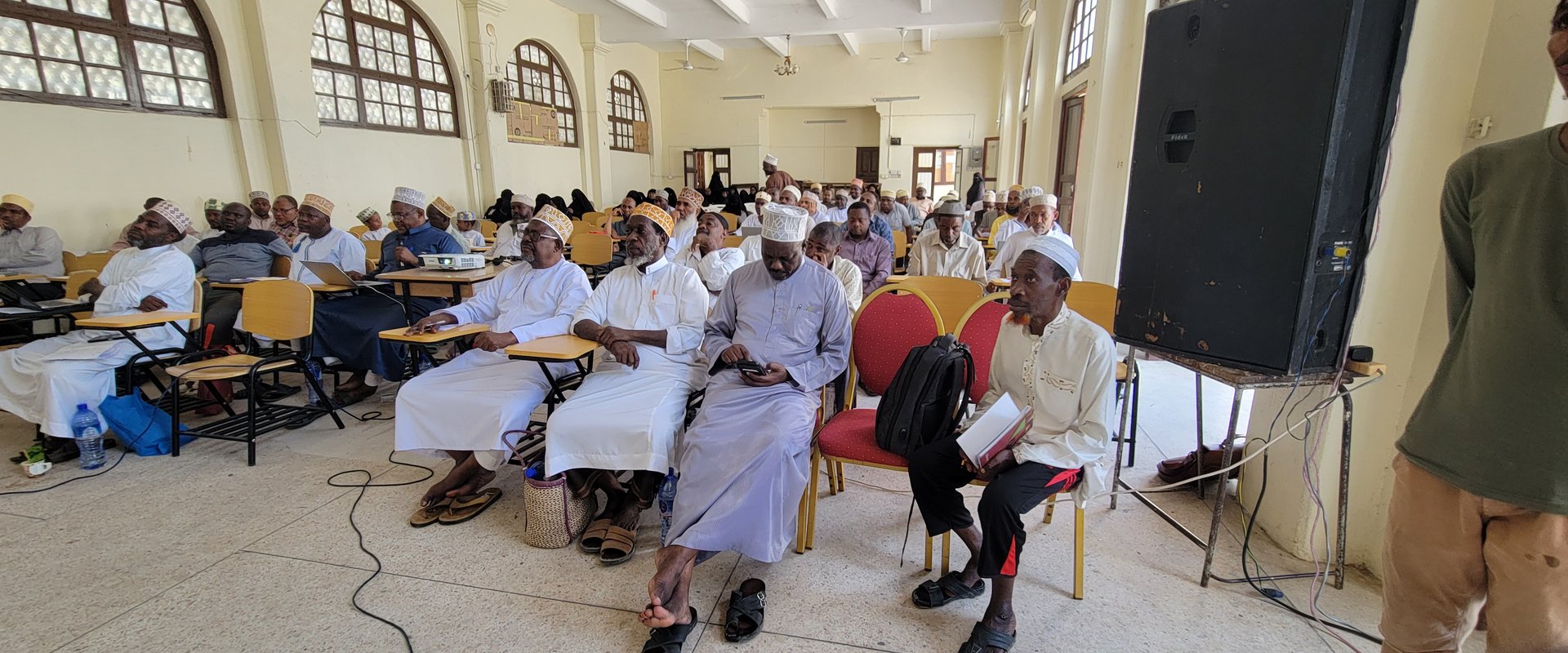
ZANZIBAR – The Islamic Association for Education and Economic Development (UKUEM) successfully concluded its Grand Conference this week, bringing together religious scholars, economic experts, and community leaders to chart a new course for the Muslim community’s social and financial welfare in East Africa.
The conference, held at the heart of Zanzibar, focused on the organization's core pillars: Education, Economics, and Development. As a registered NGO with a long-standing history in the region, UKUEM used this platform to address the growing need for self-sustaining community models and modernized Islamic education.
Key Highlights and Resolutions
The summit addressed several critical areas affecting the local population:
- Educational Reform: Leaders emphasized the integration of digital literacy within Islamic schools. The "Inclusive Quality Education" initiative was a major talking point, aimed at ensuring that marginalized children in both Zanzibar and Pemba have access to competitive formal and non-formal learning.
- Economic Empowerment: A significant portion of the session was dedicated to the distribution of Zakat and Sadaqah. Experts discussed transitioning from traditional charity to Micro-investment models, allowing families to move from being aid-recipients to small-scale business owners.
- Infrastructure & Health: The organization reaffirmed its commitment to ongoing projects, including the construction of water wells and the expansion of community health clinics to serve rural areas.
- Civic Engagement: Building on UKUEM’s historical role in advising on national matters (such as their previous contributions to the Constitutional reviews), the conference underscored the importance of Muslims participating actively in the socio-economic development of the United Republic of Tanzania.
A Call for Unity
During the closing ceremony, UKUEM leadership called for a "unified front" among Islamic NGOs to avoid duplication of efforts and maximize the impact of development funds.
"Our goal is not just to provide temporary relief, but to build a foundation where every member of our community has the tools to succeed both educationally and economically," noted one of the lead directors.
The conference ended with the announcement of a new five-year strategic plan, which includes the establishment of an Islamic Finance advisory wing to help local entrepreneurs navigate Sharia-compliant business opportunities.
Gallery